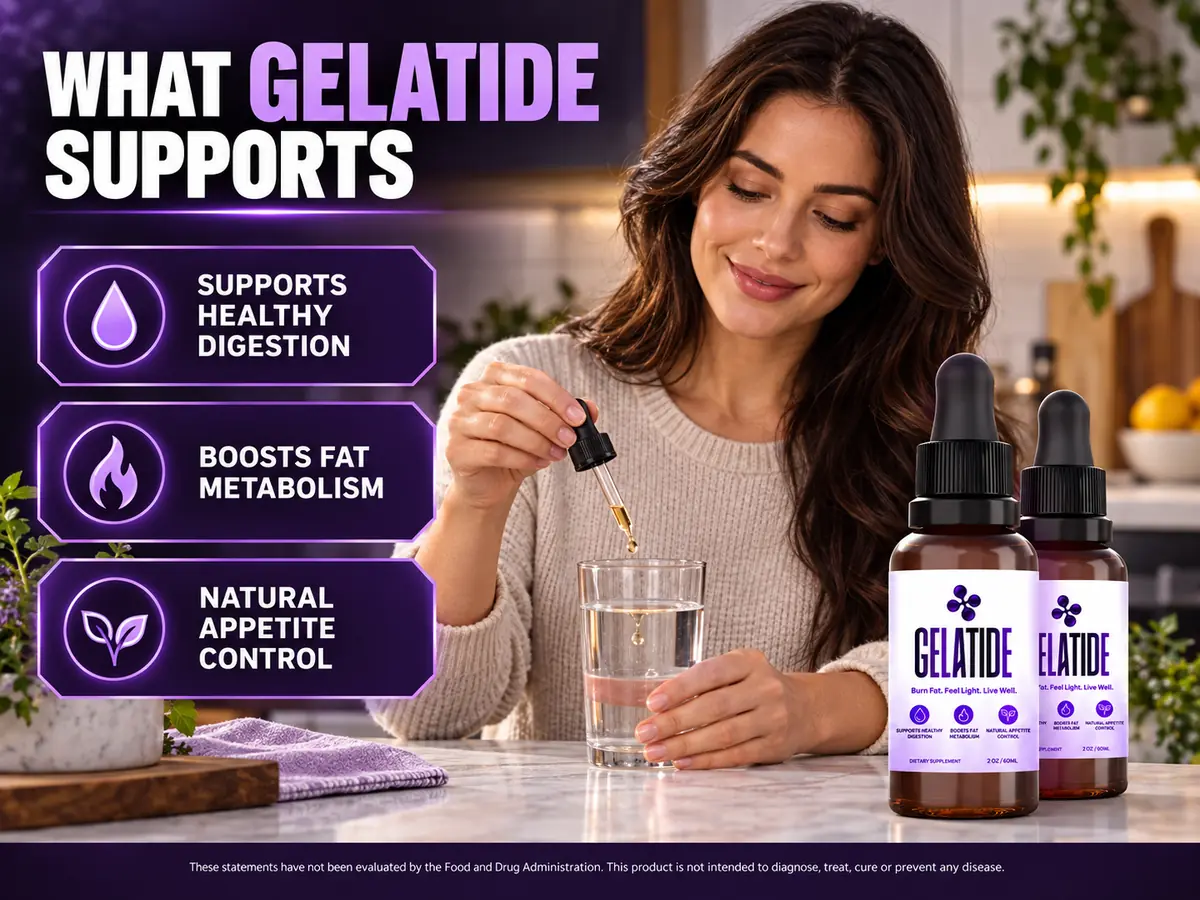
How Many Drops Is A Serving When The Label Does Not Say
The label prints a volume and no serving. Here is the arithmetic that recovers one, and what it costs you when it is wrong.
Gelatide Official Website › Blog
Five long articles about this bottle: the serving size the label does not print, the caffeine nobody counts, the ingredient with no human trial, the one study the appetite claim rests on, and what happens to a botanical liquid after the seal comes off.
Each runs 1,500 to 2,000 words, cites its sources inside the sentences, and names at least one thing that costs this product something.
The label prints a volume and no serving. Here is the arithmetic that recovers one, and what it costs you when it is wrong.
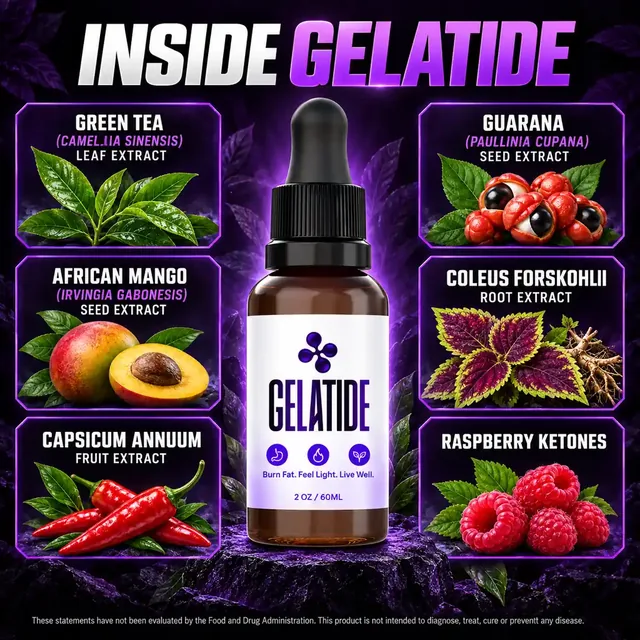
Two caffeine-bearing extracts, no published total, and a number that could be printed without revealing a formula.
No randomised trial in humans, of any size. How the ingredient became famous anyway, and what the study people cite really tested.
One striking 2009 trial, a cautious 2020 review, and a label that does not say which extract is in the bottle.
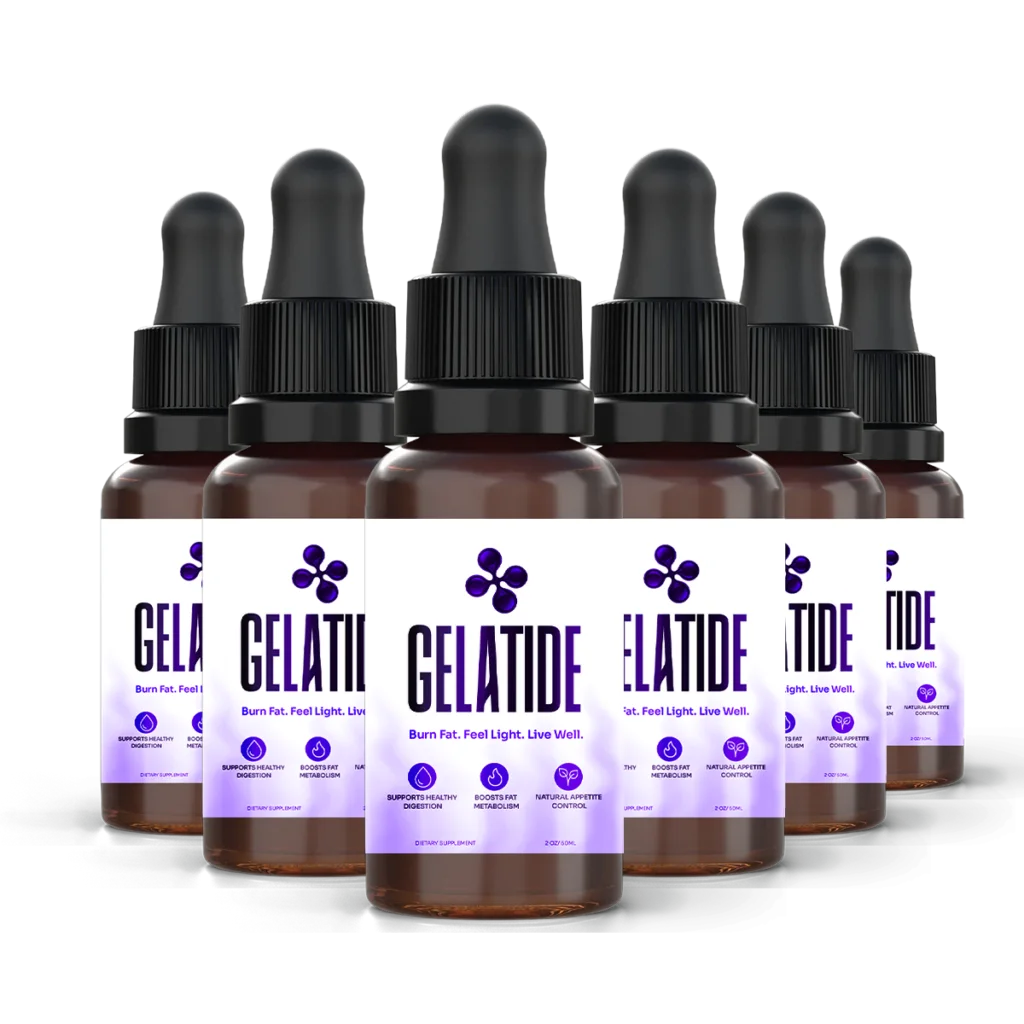
Oxidation, heat, light and the pipette. The part of a liquid supplement nobody sells you on, and what it means for a six-bottle order.
A supplement blog usually has a content calendar behind it. This one has a shorter rule: an article is written when something printed on this bottle, or conspicuously absent from it, raises a question the product pages cannot answer in a paragraph. Five qualified.
This desk’s lead subject, because it is the fact that decides everything else. The label prints a volume and no serving. The article recovers one from the seller’s own supply claims, labels every step as arithmetic rather than instruction, and shows what happens to your cost per day when a soft bulb and a busy morning move it by a third.
Two of the six extracts carry it, neither amount is published and no total appears anywhere. The article works through what green tea and guarana each contribute, why a caffeine total is the one figure a manufacturer could print without revealing a formula, and how to manage a dose nobody will tell you.
The ingredient on this panel with no randomised controlled trial in humans of any size. How it became a household name without one, what the study sellers cite actually tested, and why an unmeasured unknown is worse than a measured one.
The appetite claim rests on this extract, and this extract rests on one striking 2009 trial. The article follows what happened next: a cautious systematic review, a more modest 2022 trial, and a label that does not say whether the same preparation is in the bottle.
A sealed capsule is close to inert for years and an opened botanical liquid is not. Oxidation, heat, light and the pipette, and the arithmetic of a six-bottle order in which the last bottle is opened five months after the first. It is the only article here that could not be written about a capsule product.
There is no how-long-does-it-take article, which is the piece most sites in this category lead with. The timeline belongs on its own page here, and more than one desk sells this bottle, so five near-identical timeline articles across the web would help nobody.
Read in that order they build on each other: the serving size decides the dose, the dose decides what the research can be compared against, and the two ingredient pieces show what that comparison produces when you actually attempt it. The fifth is the practical consequence of buying a liquid rather than a capsule, and it is the one that argues hardest against the pack this desk earns most on.
Everything on this blog is published by the desk that sells the product, which is a reason to read it sceptically rather than a reason not to read it. Five checks make that scepticism productive, and they work on any supplement article anywhere.
Applied here the answers are meant to be yes five times. Two of the five argue against parts of the product this website sells: the raspberry ketone piece says nobody should buy this bottle for that ingredient, and the shelf-life piece argues against the six-bottle order that earns this desk the most. Those are the two to read first if you want to know whether the other three are worth your time.
Four article types are missing on purpose, and each absence is a decision rather than a gap in the schedule.
There is no ranking of metabolism supplements here, because a ranking published by a seller is an advertisement with numbers on it. If you want a method for comparing products, the twelve-point checklist works on any bottle, including a competitor’s and including this one.
No article here compares this product to a named rival. A comparison written by one of the two parties is a comparison written to be won, and a reader learns more from a checklist they can apply themselves than from a table somebody else built.
These articles print the doses the trials used and the arithmetic the seller’s supply claims imply. They do not tell you what to take. That is a conversation with a pharmacist, and it goes better with the bottle in your hand than with a blog post in your browser history.
No case studies, no composite customers, no before and after anything. Every person named anywhere on this website is somebody the desk holds a record of, and where the vendor supplied two sentences across eight reviewers, the reviews page says so rather than writing eight quotes.
What is here instead is narrow and long: five subjects, taken slowly, each one starting from something printed on this bottle or conspicuously absent from it. That is a smaller blog than most sites in this category run, and it is the only kind worth writing from a commercial desk, because the alternative is a content schedule that eventually produces an article nobody can defend.
New articles are added when there is something to add rather than on a calendar. The two most likely additions are both waiting on the manufacturer: a piece about the Supplement Facts panel, if one is ever published, and a piece about the certificate behind reference GEL-6482-26-GE, if that document is ever supplied. Both would be more useful than anything currently planned and neither can be written yet.
If there is a question about this product you expected to find answered here and did not, write to [email protected]. Questions that arrive more than once end up either on the FAQ or, when the answer runs past four paragraphs, as an article on this page.
Two housekeeping notes for anyone reading these closely. Every article carries a visible last-updated date and that date moves whenever the text changes, including for a correction; nothing here is edited silently. And every external link in every article points at the record itself, a PubMed entry, an NIH page or a government guidance document, rather than at somebody else’s summary of one. Open two at random. If either says something different from the sentence that links to it, that is a correction worth sending and it will be made.
The articles are also deliberately not the place this website makes its commercial case. That lives on the pricing page and the home page, where you would expect to find it. What these five are for is the part a sales page cannot do: taking one question slowly enough to reach an answer you can act on, including when the answer is that nobody knows.

Every page, every journal post, the bottle facts and the ingredients go through review by Dr. Dyan Hes, MD before they ship. We write from the printed Gelatide bottle and the manufacturer’s own listing artwork, cite public research beside the amount that research actually used, and print “not published” wherever a figure is not disclosed rather than estimating it. This label publishes no amount for any of its six extracts and no serving size in millilitres, and that fact appears in every article that discusses a dose. Corrections are made on the page itself and the review date moves forward. Write to [email protected]. Last updated October 29, 2026.