Gelatide Official Website › Blog › African mango
African Mango And The One Trial Everybody Cites
A 2009 trial reported striking results at 300 mg a day. A 2020 systematic review found the literature small and biased, and a 2022 trial reported far less. What that means for the Gelatide appetite claim.
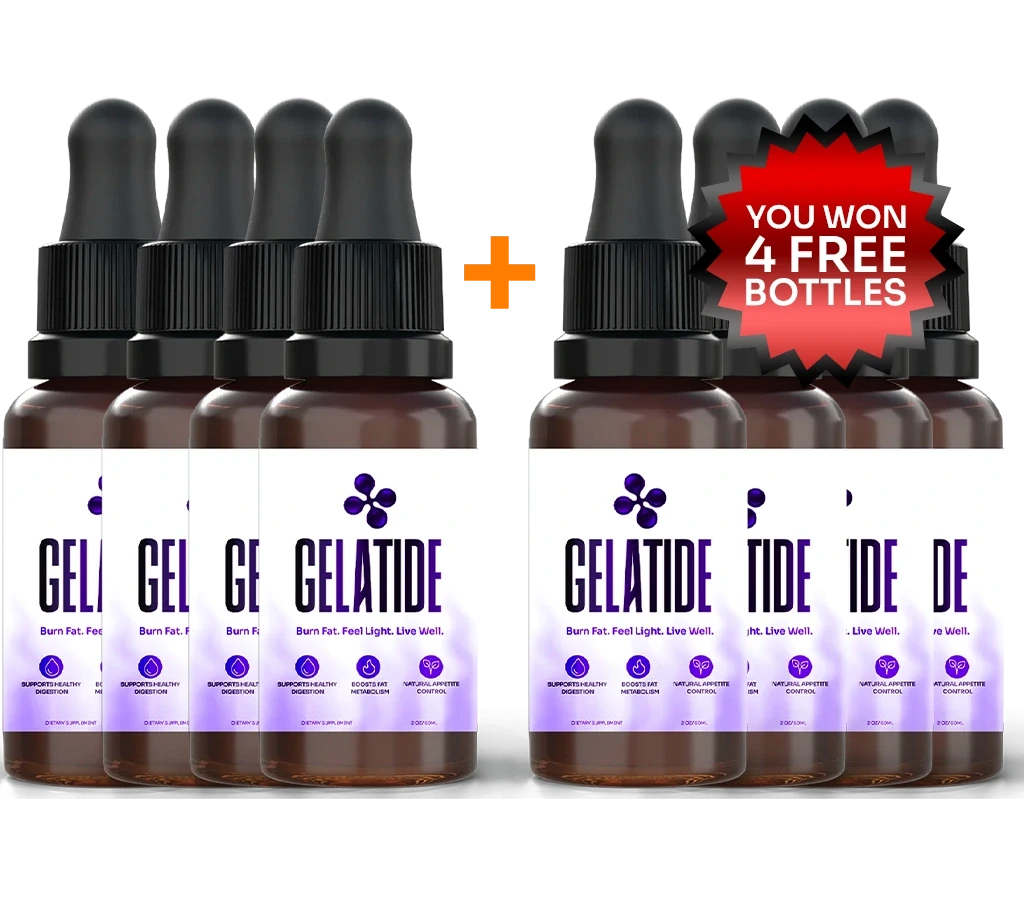
- One 2009 trial produced striking results using 150 mg of a standardised extract twice daily for ten weeks.
- A 2020 systematic review found the literature small, concentrated in one research group and at meaningful risk of bias.
- A 2022 trial reported far more modest effects on similar markers.
- This label names no amount and no standardisation, so there is no way to know whether the same material is in the bottle.
General information, not medical advice. Gelatide is a dietary supplement for healthy adults aged 18 and over. It is not a drug, it is not FDA-approved, and it is not intended to diagnose, treat, cure or prevent any disease. Two of its six extracts carry caffeine and the total is not published, so if you take any prescribed medicine, or are being treated for blood pressure, a heart rhythm problem, diabetes or a thyroid condition, speak to a pharmacist before adding it to anything.
What African mango is
Irvingia gabonensis is a West African tree whose fruit is eaten and whose seed, known locally as dika nut, is ground into a thickening paste used in cooking. The supplement ingredient is an extract of that seed.
Two things about it are worth knowing before any of the research. The whole seed is high in soluble fibre, which is a plausible mechanism for effects on appetite and on lipids. And the supplement ingredient is an extract rather than the whole seed, so how much of that fibre survives into a concentrated extract is a real question that labels rarely answer.
On Gelatide it appears as African Mango (Irvingia gabonesis) Seed Extract, with the plant part named, no amount and no standardisation marker. Our ingredients page gives it the same four-line treatment as the other five.
The trial everybody cites
Ngondi 2009, the IGOB131 trial is the study behind essentially every African mango claim you will encounter. It is a real randomised, double-blind, placebo-controlled trial published in a peer-reviewed journal, and it deserves to be described accurately rather than either dismissed or inflated.
It used a specific standardised extract called IGOB131 at 150 mg twice daily, giving 300 mg a day, for ten weeks in overweight adults. It reported reductions in body weight, body fat and waist circumference, and improvements in several blood lipid and glucose markers.
The effect sizes it reported were large. Large enough, in fact, that if they replicated reliably the ingredient would be one of the more effective interventions available without a prescription, which is the first thing that should make a careful reader pause.
Why the results looked too good
Scepticism about a single striking trial is not cynicism, it is how the literature is supposed to work. Four features of this one invite it.
- The effect sizes were unusually large for a botanical extract at a modest dose, across multiple unrelated outcome measures at once.
- The research was concentrated in a small number of connected groups rather than replicated independently in different countries.
- The extract was proprietary. A named, branded extract with commercial backing behind the research is not disqualifying and it is a recognised source of bias.
- Replication did not follow at scale. In the years since, the literature has grown slowly rather than confirming quickly, which is usually the shape of an effect that is smaller than it first appeared.
What the systematic review found
Lee 2020, the Irvingia meta-analysis is the study to read if you only read one. It pooled the Irvingia gabonensis literature on anthropometric and cardiovascular outcomes and asked what the body of evidence, rather than any single trial, supports.
Its conclusions were cautious. The number of trials was small. The quality was variable. The risk of bias was meaningful. And the pooled effects, where they could be estimated, were more modest than the headline trial implied.
Maunder 2020 reached a compatible conclusion across the whole herbal weight category: small effects and weak evidence. That is the context African mango sits in, and it is the context any sales page citing the 2009 trial leaves out.
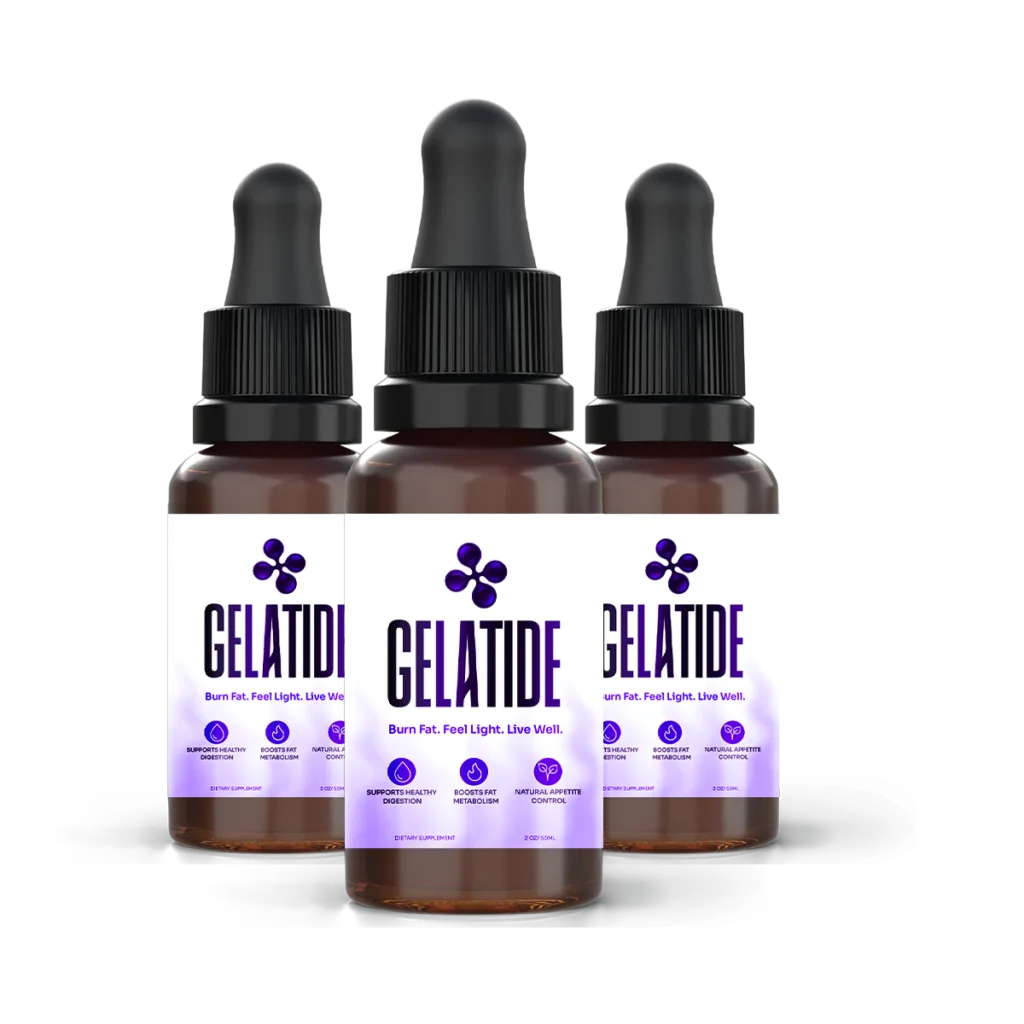
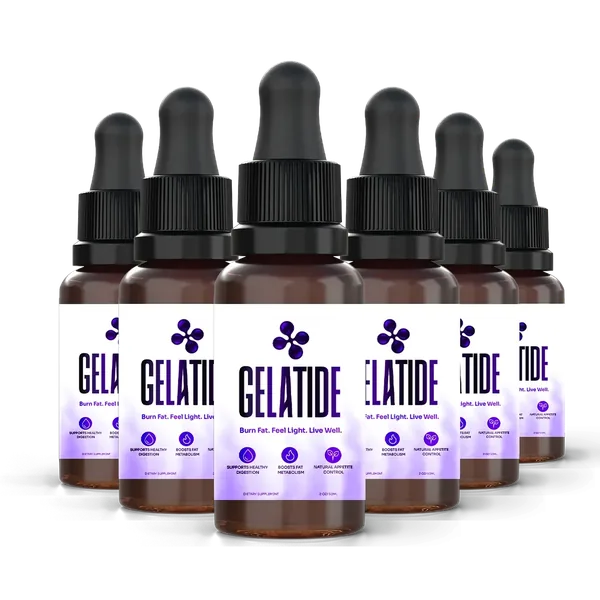
Gelatide, with the trial described as it actually reads
One striking study, a cautious systematic review, and a label that does not say whether the same extract is in the bottle.
From $49 a bottle · 60-day money-back window
Order GelatideThe 2022 trial, and what changed
Nonsa-Ard 2022 tested an Irvingia gabonensis extract in overweight and obese individuals and looked at metabolism, antioxidants, adipokines, telomere length and aerobic capacity. It is a more recent, independent addition to a thin literature and that alone makes it valuable.
What it reported was considerably more modest than the 2009 trial. That is the normal trajectory for an ingredient whose first result was an outlier, and it is the trajectory readers almost never see, because sales pages are written from the first study and updated rarely.
None of this means African mango does nothing. It means the realistic expectation sits much closer to the 2022 paper than to the 2009 one, and a buyer who has read only the older result has a distorted picture.
The word standardised is doing a lot of work
Every trial above used a defined extract at a defined dose. That is what makes a trial interpretable, and it is precisely what this label does not offer.
| Detail | In the trials | On this label |
|---|---|---|
| Extract identity | A named, standardised preparation | “African Mango Seed Extract” |
| Dose | 300 mg a day, split into two | not published |
| Standardisation marker | Defined by the extract specification | not published |
| Duration | Ten weeks | Not applicable, but worth noting |
| Delivery form | Capsule | Liquid drops |
Five rows and the first three are the ones that decide whether any of the research applies. All three are blank on this label.
Two extracts of the same plant, made by different processes, can differ in composition as much as two different plants. That is not a pedantic objection, it is the reason standardisation exists as a concept, and a label that names a plant without naming a preparation has told you which plant and nothing else.
What this means for the appetite claim
Natural Appetite Control is one of the three lines printed on the Gelatide label, and African mango is the ingredient it most plausibly rests on. So the state of this evidence matters more than it would for an ingredient sitting quietly in the middle of a blend.
The claim itself is modest and it is permitted. It says the product supports appetite regulation, which is a statement about a process. It does not promise that hunger will stop or that intake will fall by any amount, and our benefits page works through all three lines and what each does and does not assert.
There is also a simpler explanation available for anything a buyer notices in the first fortnight, and it is one this website keeps coming back to: caffeine blunts appetite, and two of the six extracts carry it. Attributing an early appetite change to African mango requires ruling out an ingredient with a much faster and better-established effect.
The general lesson about single-trial ingredients
Four questions to ask whenever an ingredient rests on one striking study. They work on anything, including things this desk does not sell.
- How old is the trial, and what has followed it? Fifteen years with little replication is a signal.
- Who ran it, and who funded the extract? Not disqualifying, and worth knowing.
- Is there a systematic review? If so, read that instead. It is the literature arguing with itself, which is more informative than any single voice in it.
- Does the product use the studied preparation at the studied dose? If the label does not say, the research is decoration.
NCCIH makes essentially the same points for a general audience, and it is a better starting page than most of what a search will return.
| Year | What it was | What it reported |
|---|---|---|
| 2009 | A randomised, double-blind, placebo-controlled trial of a named standardised extract at 300 mg a day | Large changes in weight, body fat and blood lipids over ten weeks |
| 2020 | A systematic review and meta-analysis of the whole literature | A small evidence base, concentrated in one research group, at meaningful risk of bias |
| 2020 | A meta-analysis of herbal weight products generally | Small effects and weak evidence across the category |
| 2022 | An independent trial in overweight and obese adults | Far more modest effects on similar markers |
Read down the third column and the story gets quieter rather than louder. That is the normal trajectory for a first result that was an outlier, and it is the part sales pages never update.
The verdict
African mango is a real ingredient with a real trial and a thin literature that has grown more sceptical rather than more confident. The reasonable expectation is a small effect, or none.
Whether Gelatide delivers even that is unknowable, because the label does not say which extract is used or how much. That sentence has appeared on every page of this website and it is not a rhetorical device: it is the single fact that determines how much of this research applies, and the answer is that none of it can be applied with confidence.
Read the 2020 review rather than the 2009 trial if you read one thing. It is the version of this ingredient that has survived contact with the rest of the evidence.
Sources cited in this article
- Ngondi JL, Etoundi BC, Nyangono CB, Mbofung CM, Oben JE. IGOB131, a novel seed extract of the West African plant Irvingia gabonensis, significantly reduces body weight and improves metabolic parameters in overweight humans in a randomized double-blind placebo controlled investigation. Lipids Health Dis. 2009;8:7. https://pubmed.ncbi.nlm.nih.gov/19254366/
- Lee J, Chung M, Fu Z, Choi J, Lee HJ. The effects of Irvingia gabonensis seed extract supplementation on anthropometric and cardiovascular outcomes: a systematic review and meta-analysis. J Am Coll Nutr. 2020;39(5):388-396. https://pubmed.ncbi.nlm.nih.gov/31855111/
- Nonsa-Ard R, Aneknan P, Tong-Un T, Honsawek S, Leelayuwat C, Leelayuwat N. Effects of Irvingia gabonensis extract on metabolism, antioxidants, adipocytokines, telomere length, and aerobic capacity in overweight/obese individuals. Nutrients. 2022;14(21):4646. https://pubmed.ncbi.nlm.nih.gov/36364907/
- Maunder A, Bessell E, Lauche R, Adams J, Sainsbury A, Fuller NR. Effectiveness of herbal medicines for weight loss: a systematic review and meta-analysis of randomized controlled trials. Diabetes Obes Metab. 2020;22(6):891-903. https://pubmed.ncbi.nlm.nih.gov/31984610/
- National Center for Complementary and Integrative Health. Weight Control and Complementary and Integrative Health. https://www.nccih.nih.gov/health/weight-control
- National Center for Complementary and Integrative Health. Using Dietary Supplements Wisely. https://www.nccih.nih.gov/health/using-dietary-supplements-wisely

Every page, every journal post, the bottle facts and the ingredients go through review by Dr. Dyan Hes, MD before they ship. We write from the printed Gelatide bottle and the manufacturer’s own listing artwork, cite public research beside the amount that research actually used, and print “not published” wherever a figure is not disclosed rather than estimating it. This label publishes no amount for any of its six extracts and no serving size in millilitres, and that fact appears in every article that discusses a dose. Corrections are made on the page itself and the review date moves forward. Write to [email protected]. Last updated October 29, 2026.